
Textile Digital Printing Solutions
We design and implement digital printing solutions on textiles for industrial production. We combine technologies such as direct fabric printing, sublimation printing, DTF and thermal transfer systems into consistent, scalable production processes.
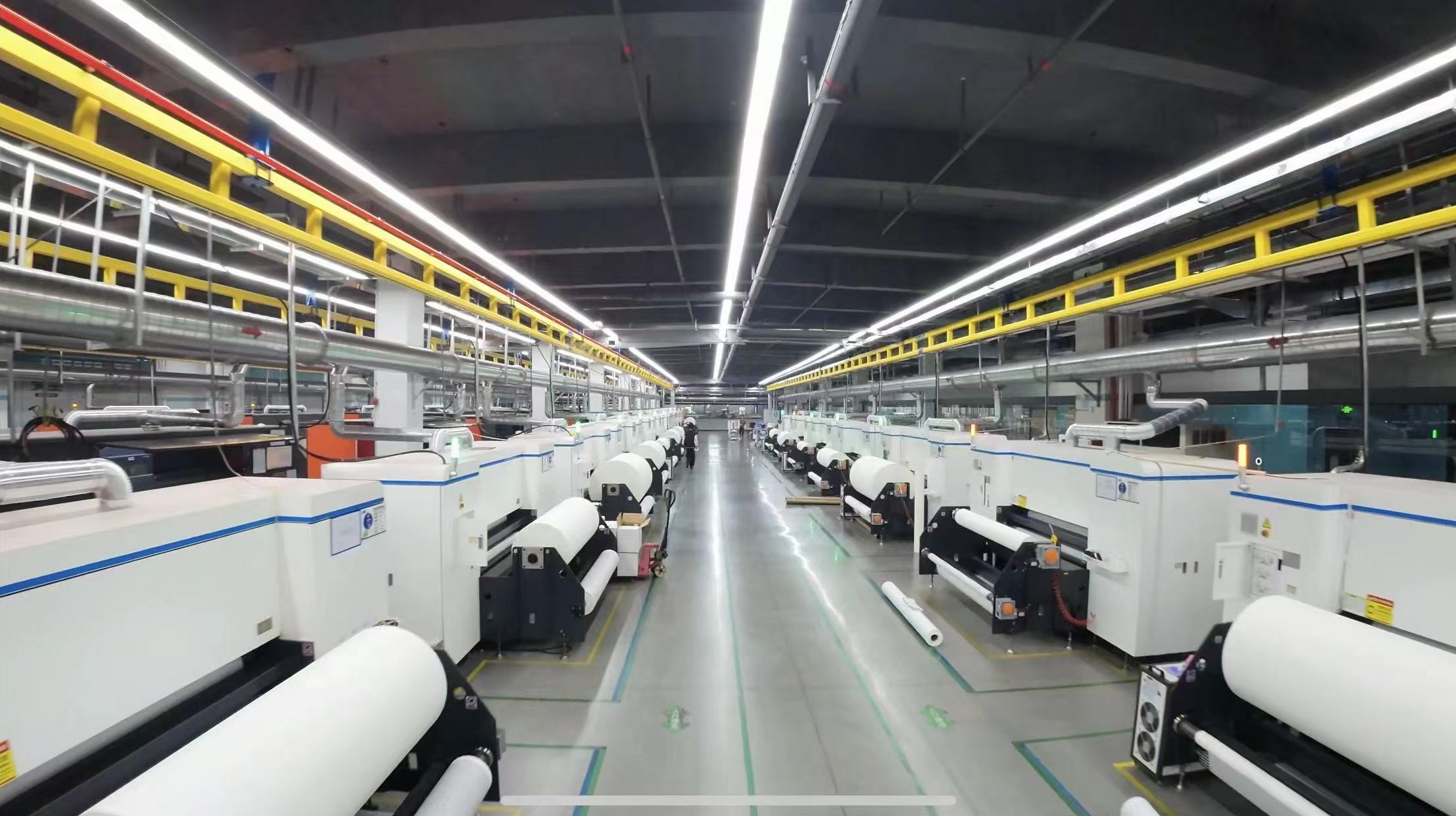
Our key solutions for digital textile printing
We design and implement solutions for digital printing on textiles tailored to real production needs. We combine technology selection, automation and quality control into a consistent process, from material preparation to repeatable, finished product.
Direct printing for continuous textile production
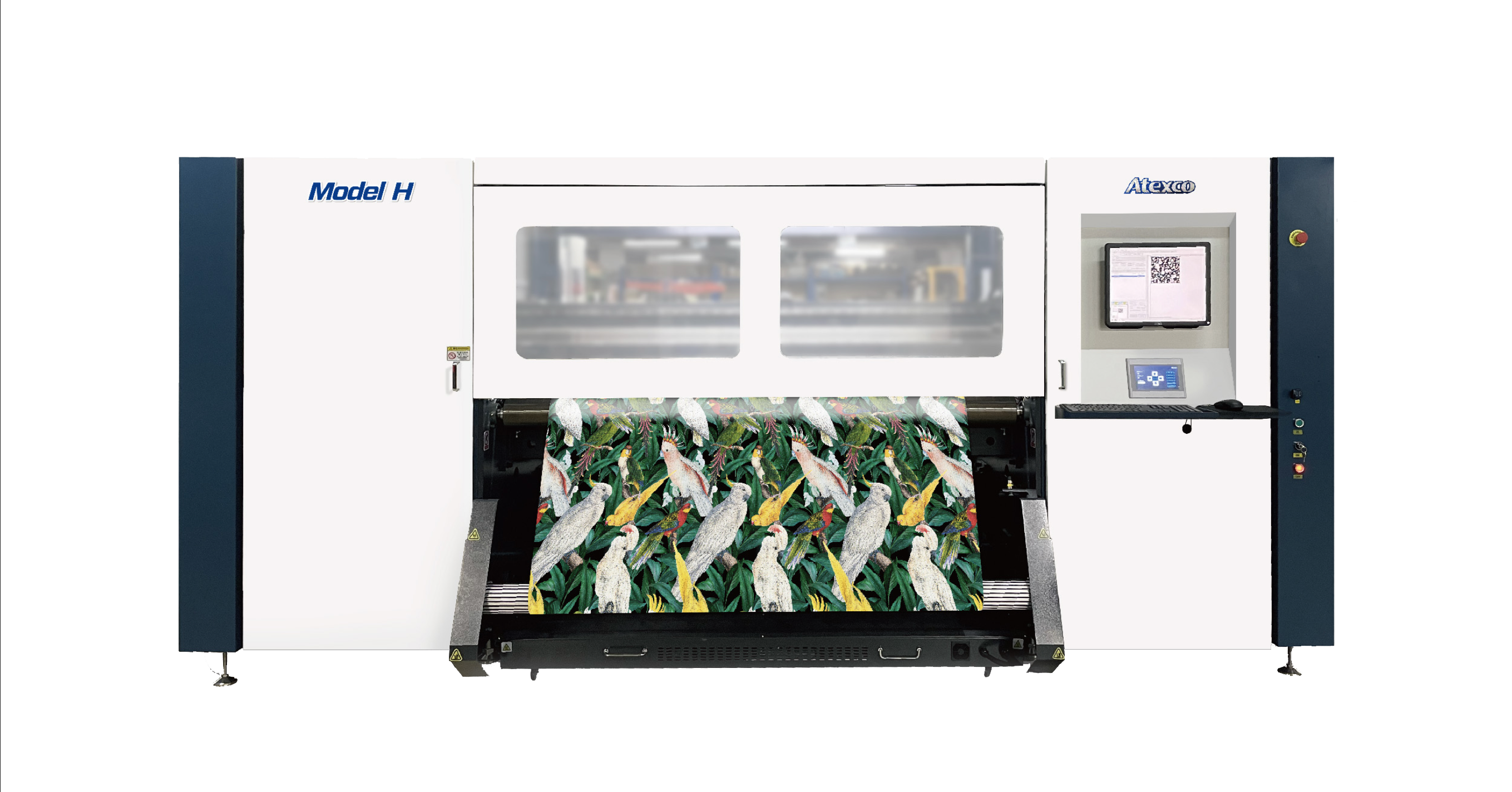
Direct printing on fabrics is designed for production that requires high efficiency, stability and precise color reproduction on natural and mixed fabrics. This solution supports continuous production with a limited number of operations, which makes it ideal for fashion, home textiles and interior applications where repeatability is key.
Flexible DTF processes for short batches and customization
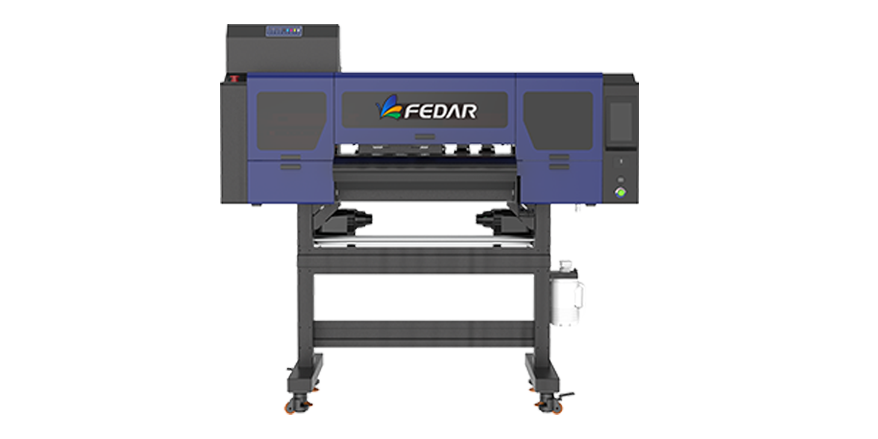
DTF printing provides high material flexibility and fast turnaround times in short-run and custom production. This solution works for a wide range of fabrics and supports on-demand processes where flexibility and cost control are key.
Sublimation systems for intense and lasting effects
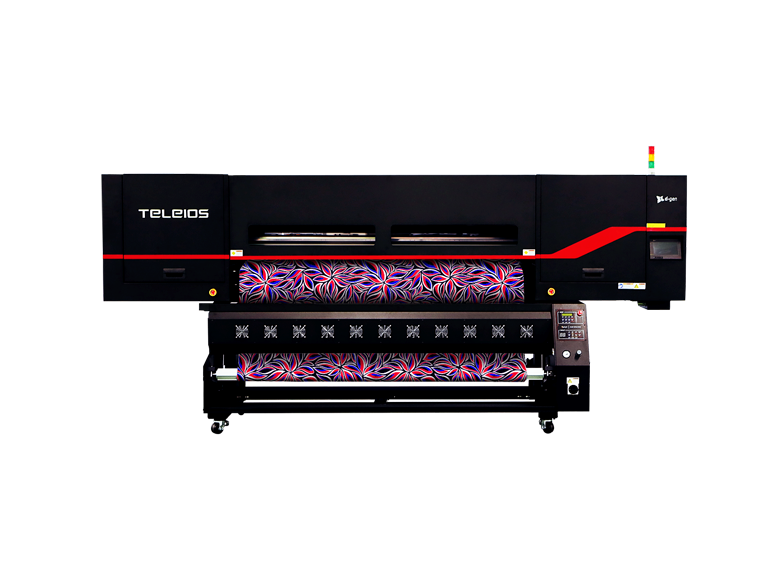
Sublimation printing is an ideal solution for polyester fabrics and soft signage applications. It provides intense colors, high durability and clean and orderly processes, making it ideal for sportswear, display and large format textile graphics.
Controlled transfer and finishing solutions
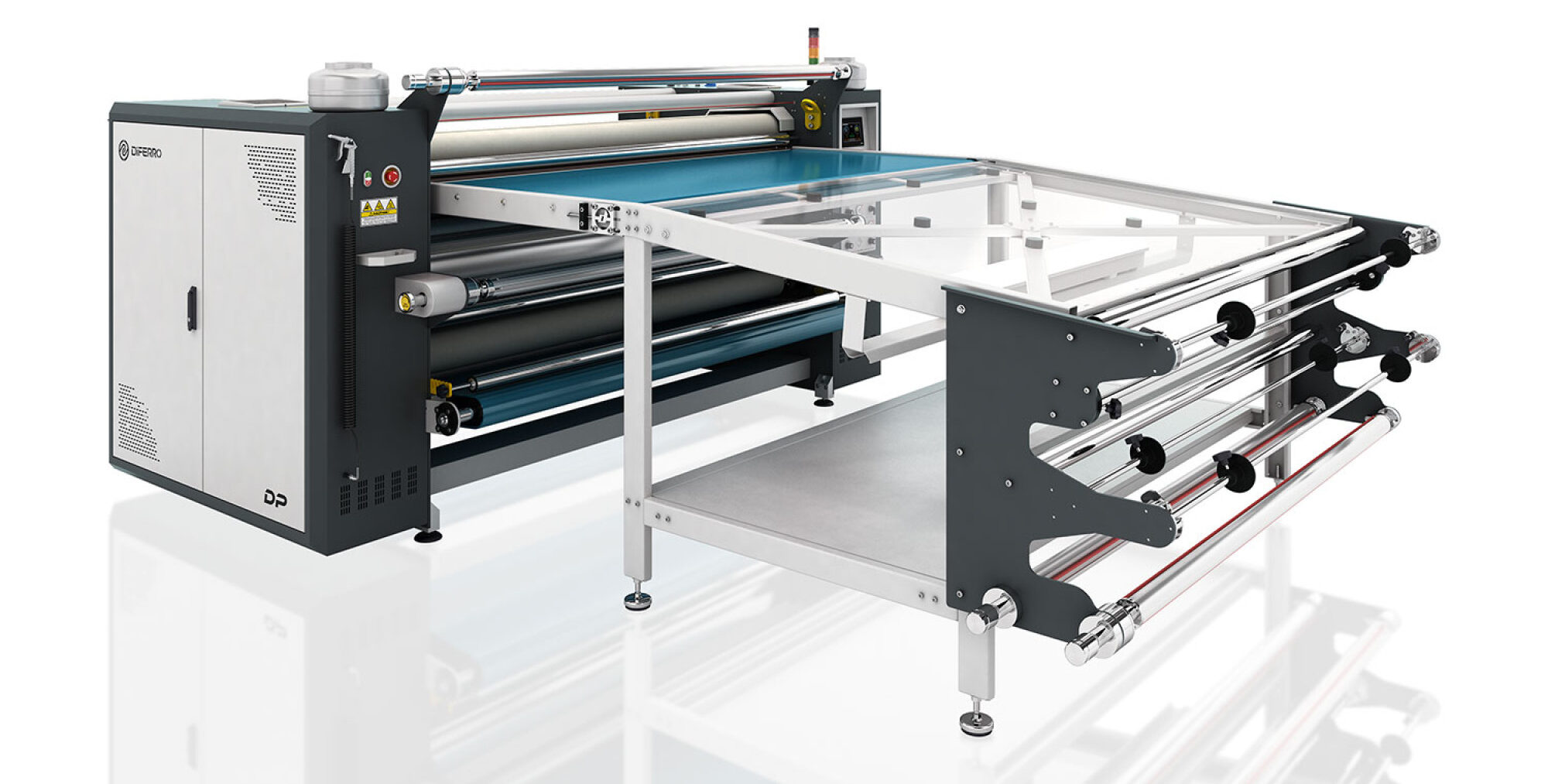
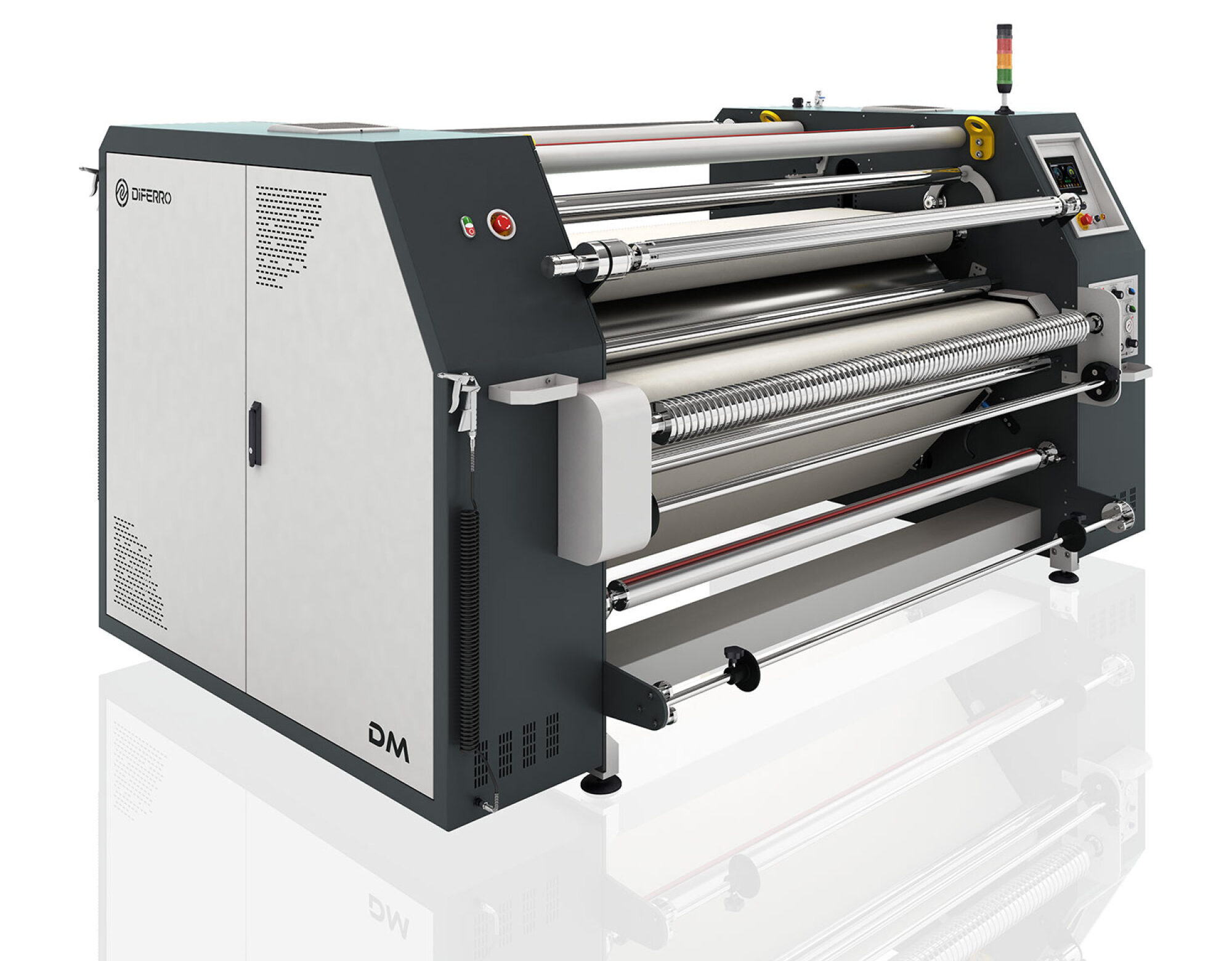
Thermal transfer systems enable precise application of prints thanks to controlled temperature and pressure. This solution plays a key role in transfer-based manufacturing, finishing processes and hybrid workflows, where reliability and repeatability count.
Integrated production environments
In addition to single machines, we design complete production environments that combine equipment, software, consumables and service into a coherent system. This approach reduces complexity and supports stable operation over the long term.
Find the right solution for your production
Not every process can be based on one method. We help you choose the right combination of technologies based on materials, volume and development plans, transforming requirements into a clear production strategy.
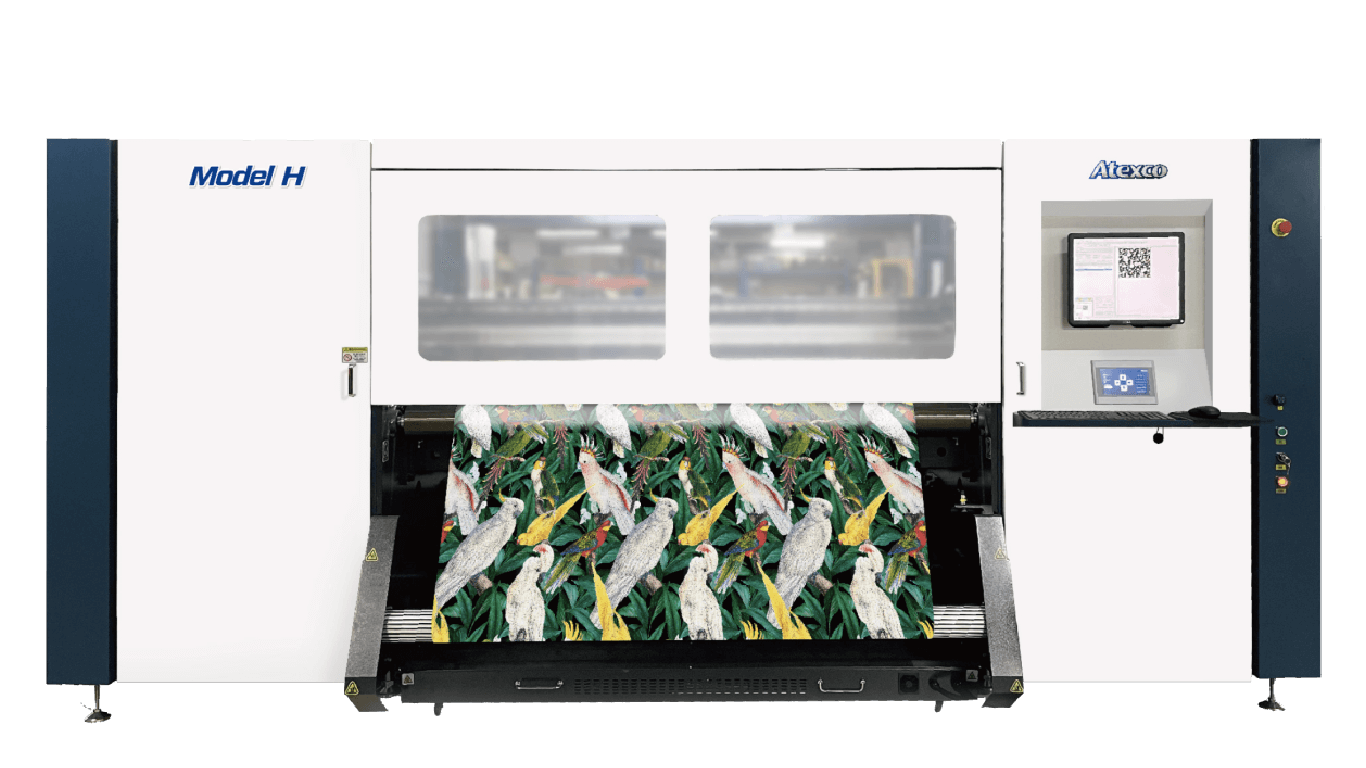
Solution for printing on natural fibers
Direct printing on fabric allows printing on natural materials such as cotton, viscose, linen and their blends. The ink penetrates into the fabric structure, making the print soft to the touch, breathable and color-stable. This method is used where comfort of use, authenticity of the material and repeatability of production in long series are crucial.
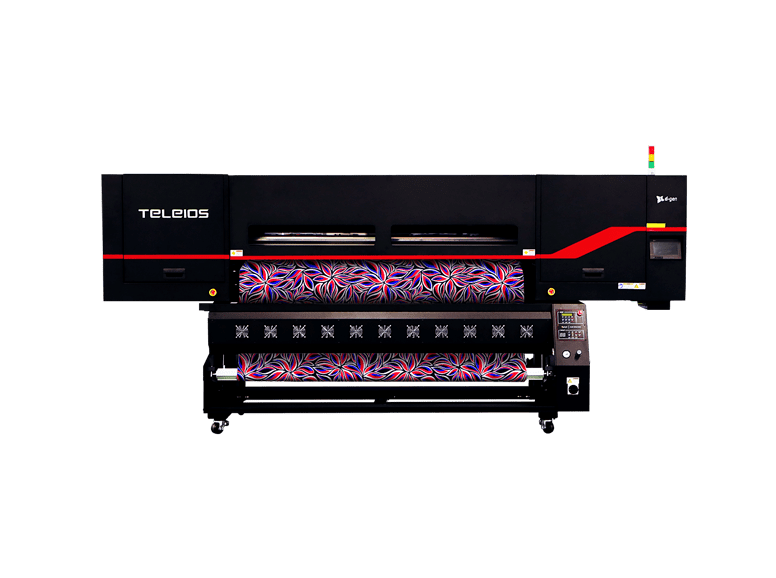
Color fastness in polyester production
Sublimation printing involves the permanent bonding of the dye to the polyester fiber under the influence of temperature. The print becomes an integral part of the fabric, which provides high resistance to washing, abrasion and UV radiation.
This technology is limited to polyester or coated substrates, but offers the highest durability and color intensity in these applications.
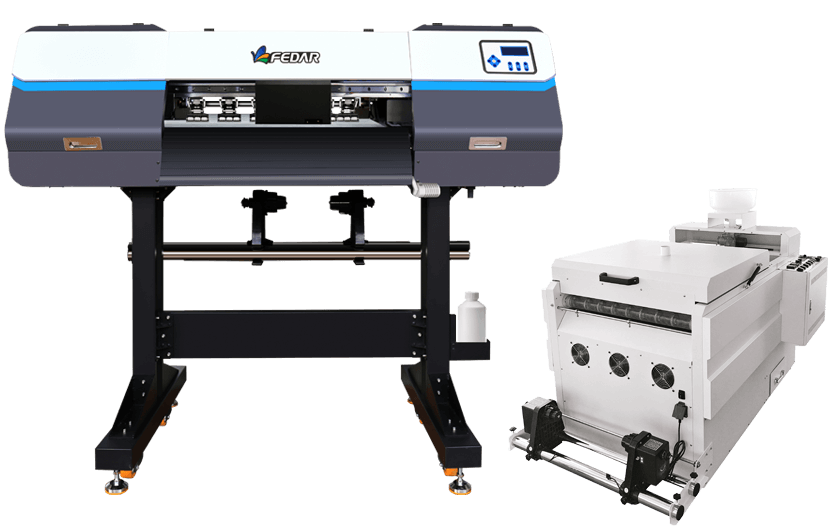
Material flexibility with low cost of entry
DTF printing allows you to apply graphics to almost any type of fabric, regardless of fiber composition. Thanks to the transfer from the film, this method is suitable for short series production, personalization and work on various materials.
Its main advantage is the low investment cost and the absence of material restrictions, while maintaining a repeatable visual effect.
Control of parameters in the finishing process
Thermal transfer systems provide precise control of temperature, pressure and printing application time. They are crucial in finishing processes, where the final quality depends on stable and repeatable parameters.
They are used as an element supporting sublimation and DTF technologies, especially in production requiring high quality control.
Choose the right method
for the right material.
Each printing technology has its limitations. We help you choose the right solution for materials, volumes and production goals.