
Sublimation printing
Sublimation printing is a technology in which a dye is permanently combined with a polyester fiber. The result is intense colors, high resistance to washing and abrasion and full repeatability of production.
It is a solution created for sportswear, home textiles and large format advertising applications.
How Sublimation Printing Works
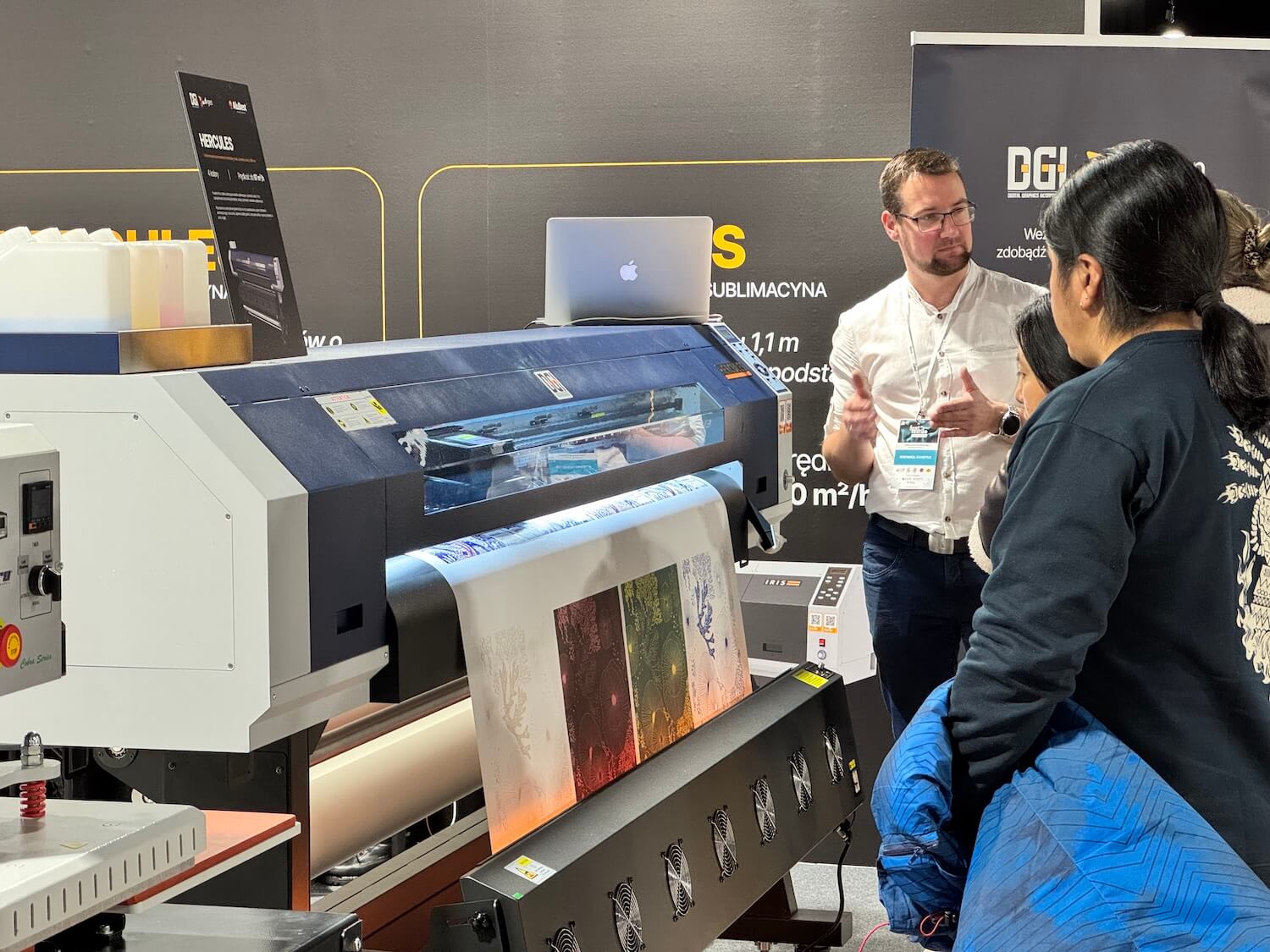
In the sublimation printing process, the design is first applied to the transfer paper using a specialized sublimation printer. Then, under the influence of high temperature and pressure, the dye passes into a gaseous state and permanently binds to polyester fibers. Color becomes an integral part of the material, and not a layer on its surface.

Where Sublimation Printing Works Best
Sublimation printing is used both in textile advertising and in the production of clothing. Each area has different requirements, but they all benefit from color fastness and stable quality.
Flags, banners and outdoor displays
Sublimation printing is ideal for the production of flags, banners and exhibition systems. The colors are intense, UV- and weather-resistant, and the material remains light and easy to install.

Sportswear, fashion and home textiles
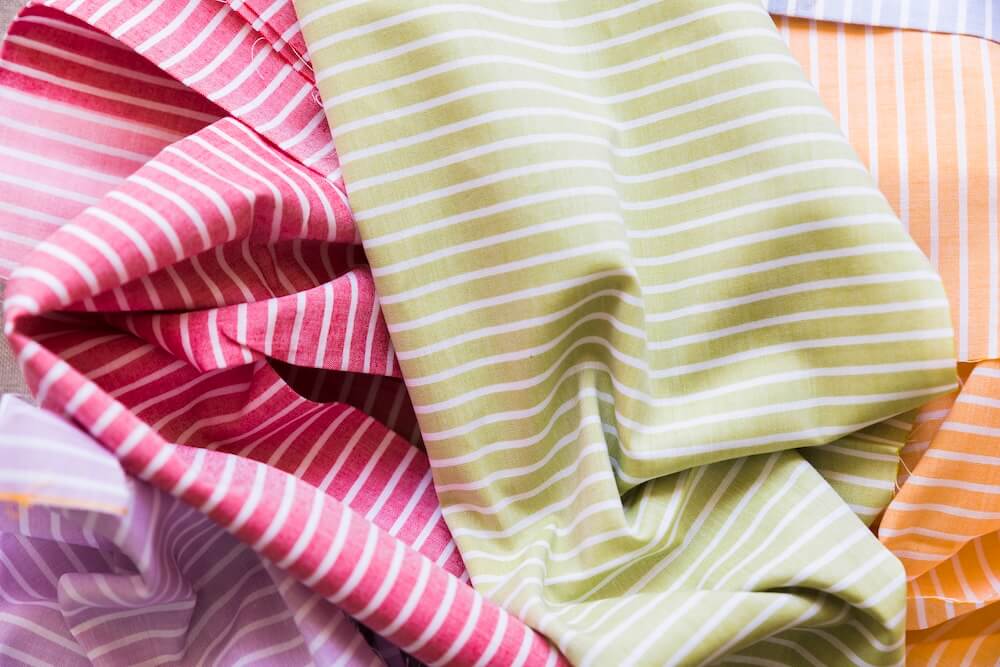
In textiles, sublimation printing provides a soft grip of the material and a durable print that does not crack or shake. The technology works well in sportswear, fashion, curtains, bedding and other consumer products.
Why choose sublimation printing
Sublimation printing meets the requirements of industrial production. It delivers color durability, quality repeatability, and performance that scales with volume.
Durable color combination with fiber
During sublimation, the dye penetrates into the polyester structure at the molecular level. The print does not create a layer on the surface and does not change the properties of the material.
Resistance to washing and use
Sublimation prints do not crack, do not peel and do not conflict. They work well in sportswear, consumer textiles and products that undergo frequent washing.
Stable color in each series
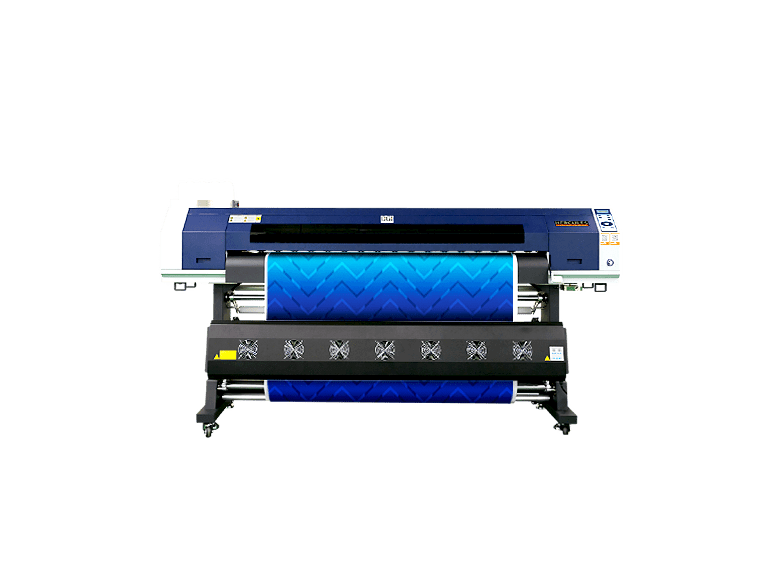
The sublimation process provides predictable color reproduction from the first to the last meter. This is crucial in serial production and repeat orders.
High performance at medium to high volumes
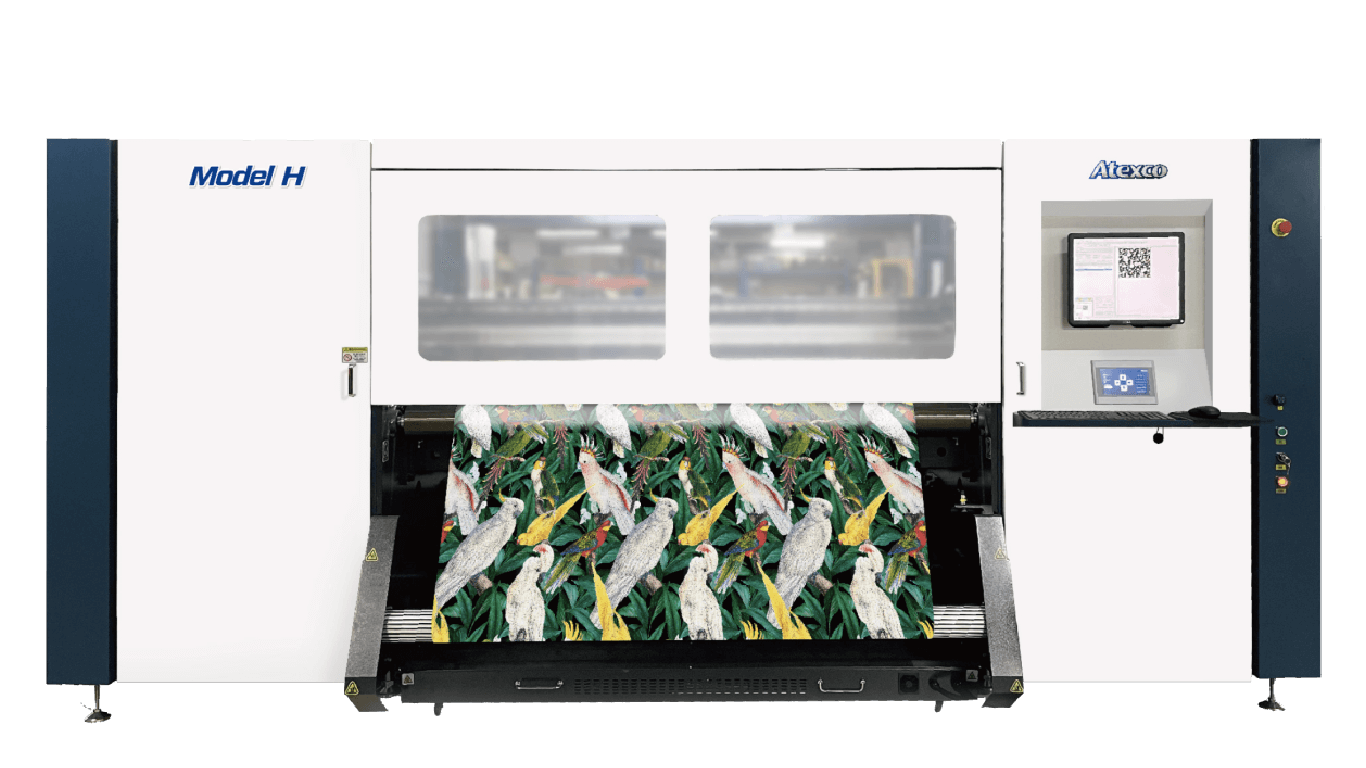
Sublimation printing allows you to quickly scale production without complicated auxiliary processes. Less waste and stable unit costs support profitability.
System Elements You Need
A complete sublimation system consists of several key components. Each of them affects the quality, efficiency and stability of production.
Sublimation Printer for Transfer Paper
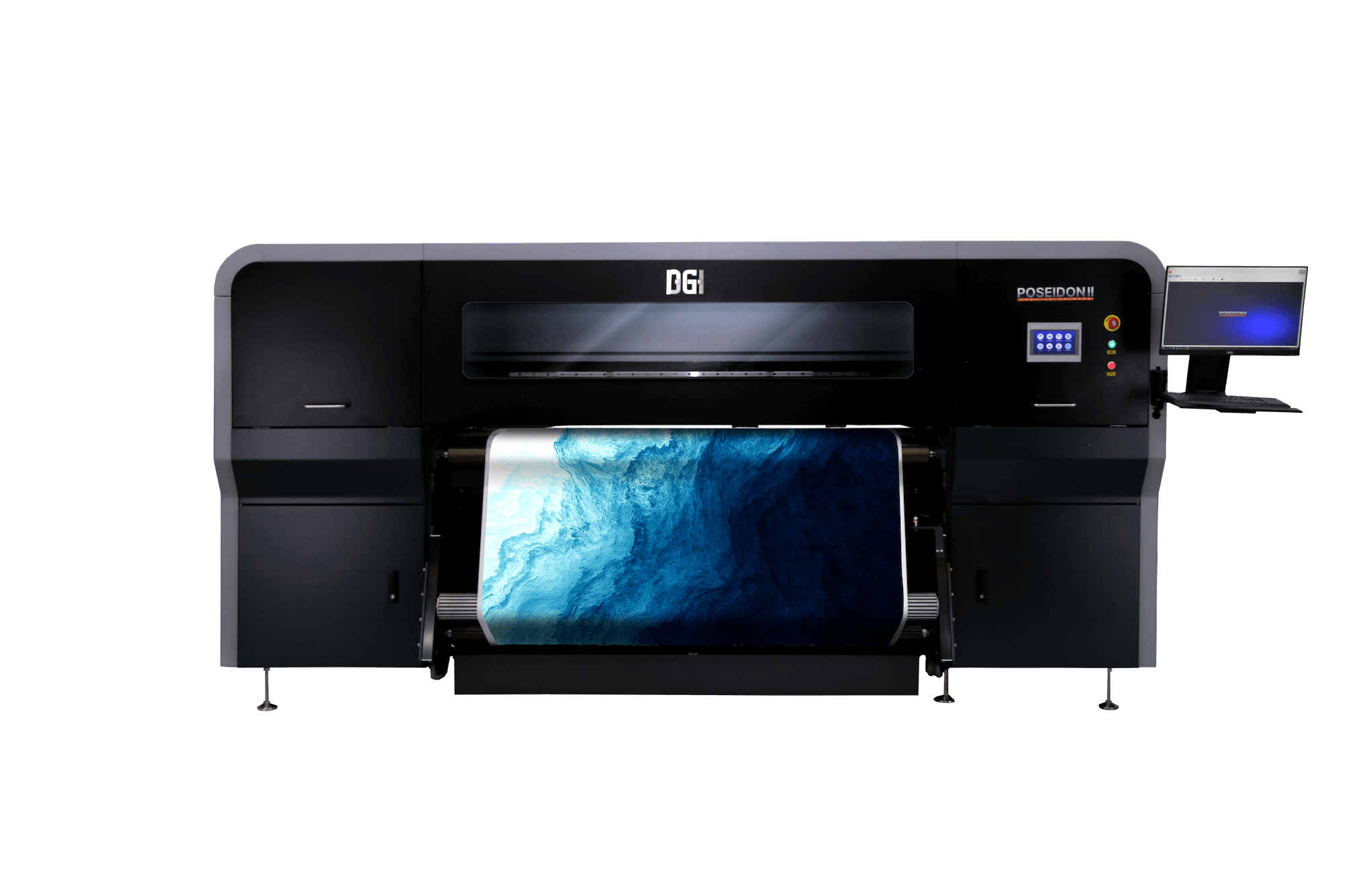
Sublimation printer applies sublimation ink to transfer paper with high precision and color stability. This is the first stage of the process that determines the quality of the final print.
Transfer paper and protective papers
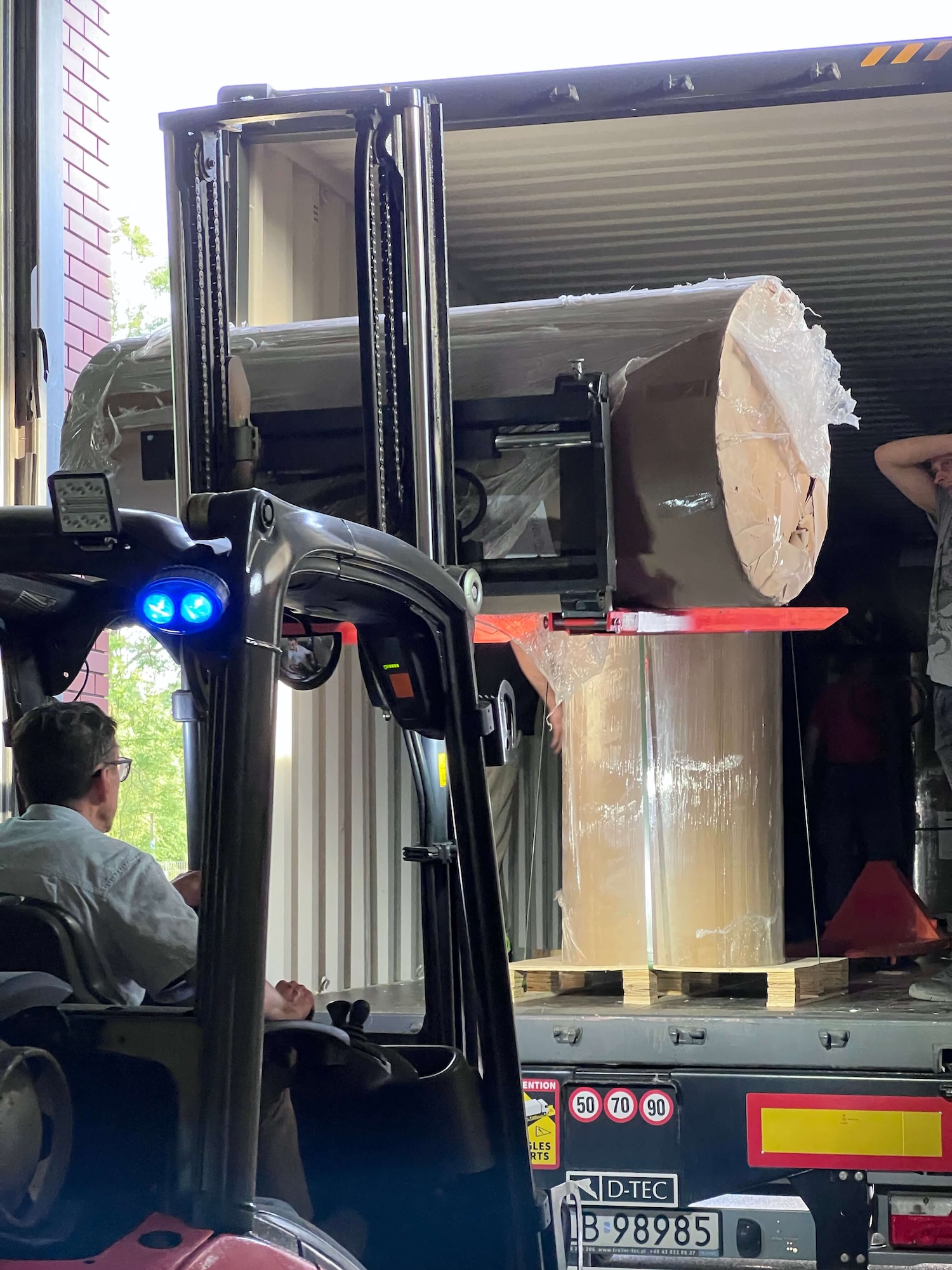
Transfer paper is responsible for the uniform transfer of the dye, and protective papers protect the calender and the material from dirt. The right choice of paper affects the sharpness and saturation of colors.
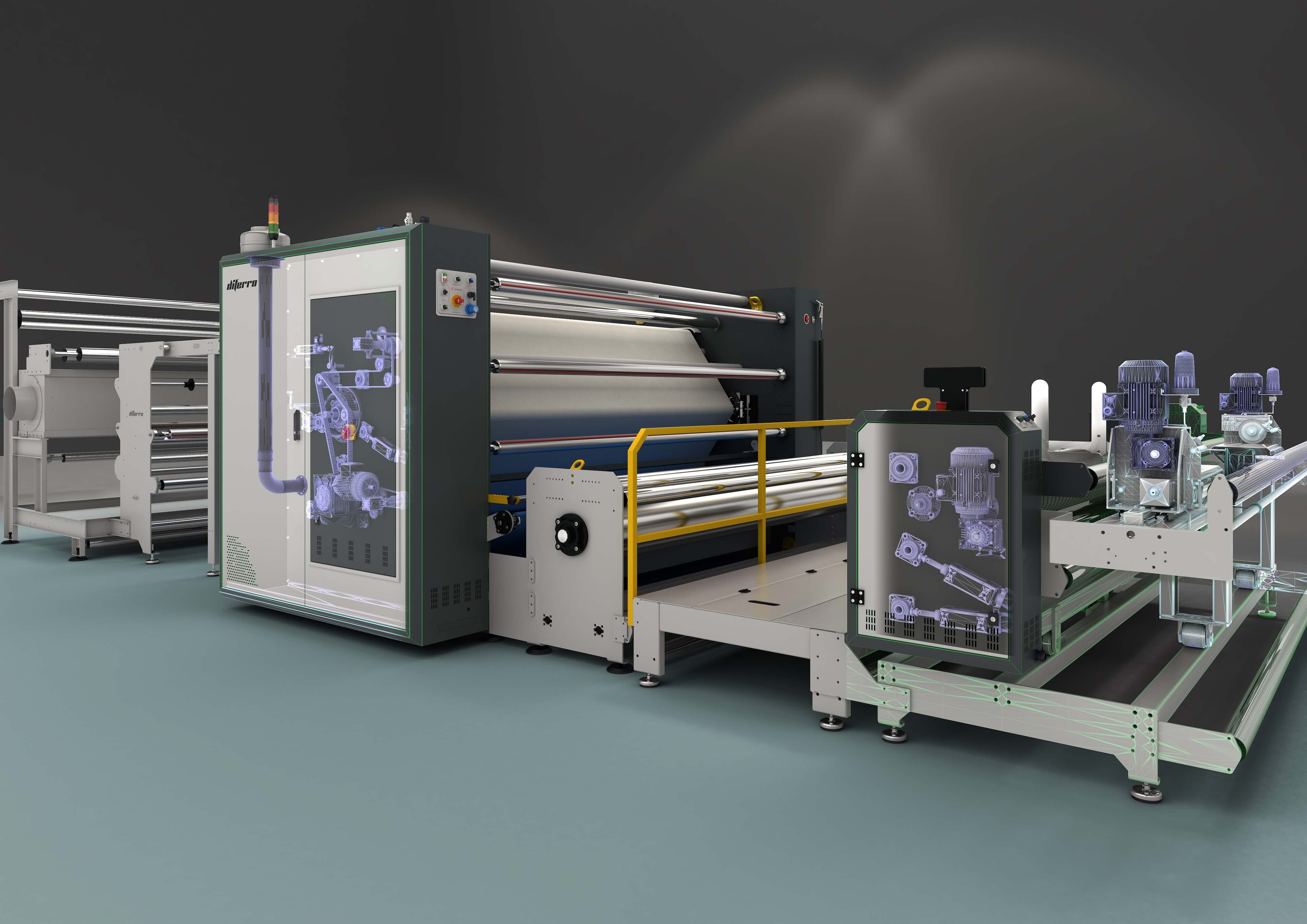
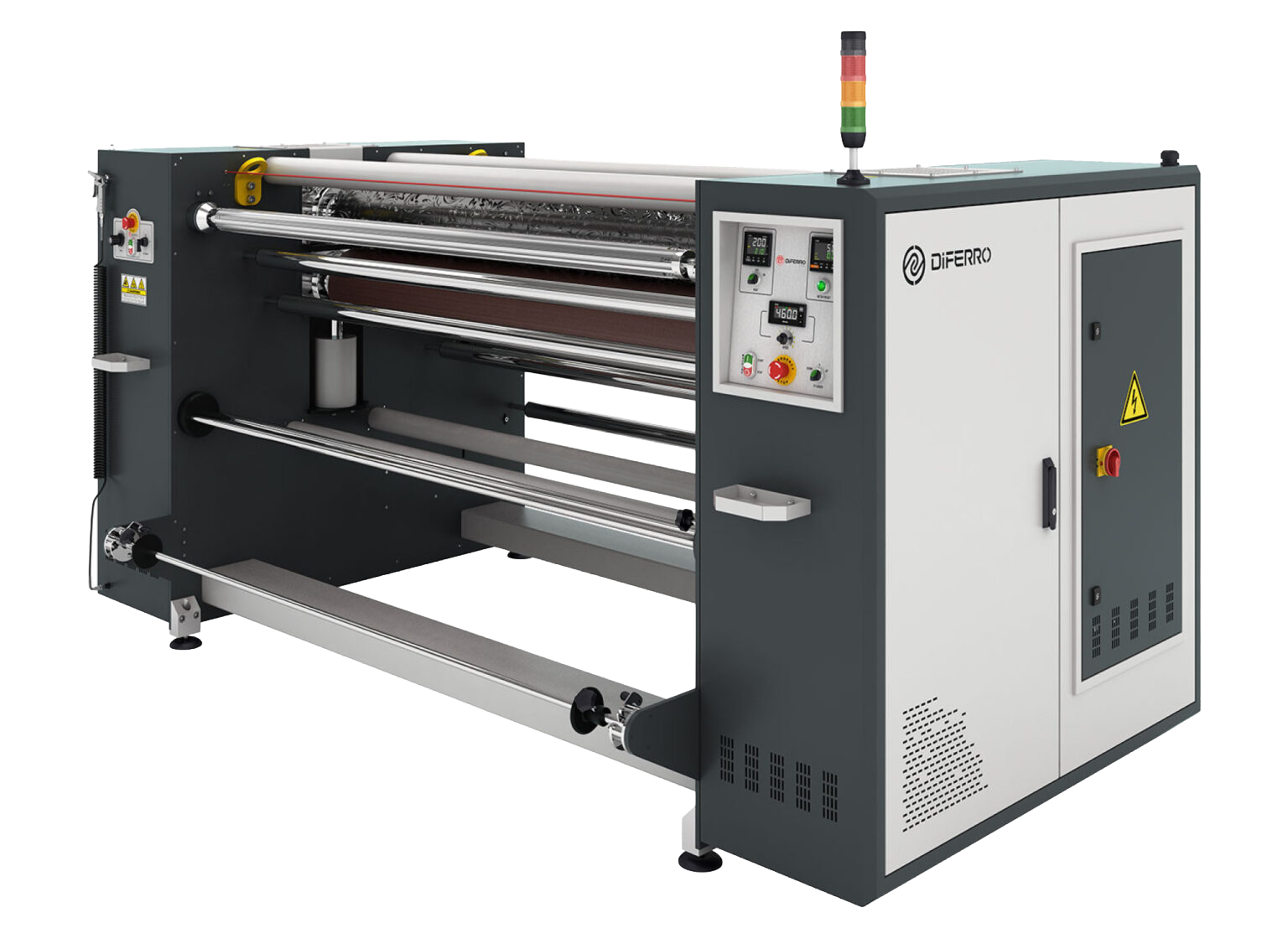
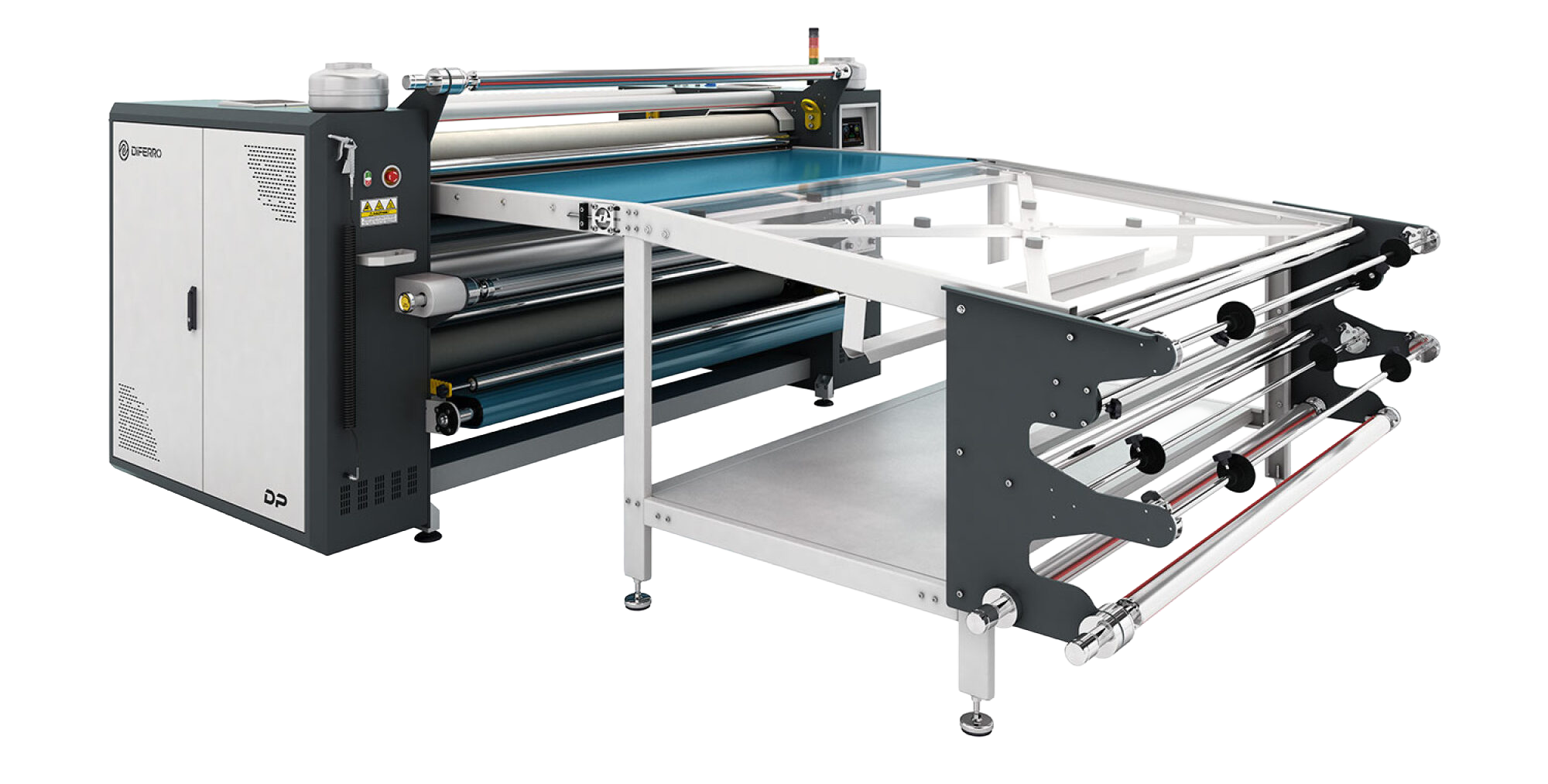
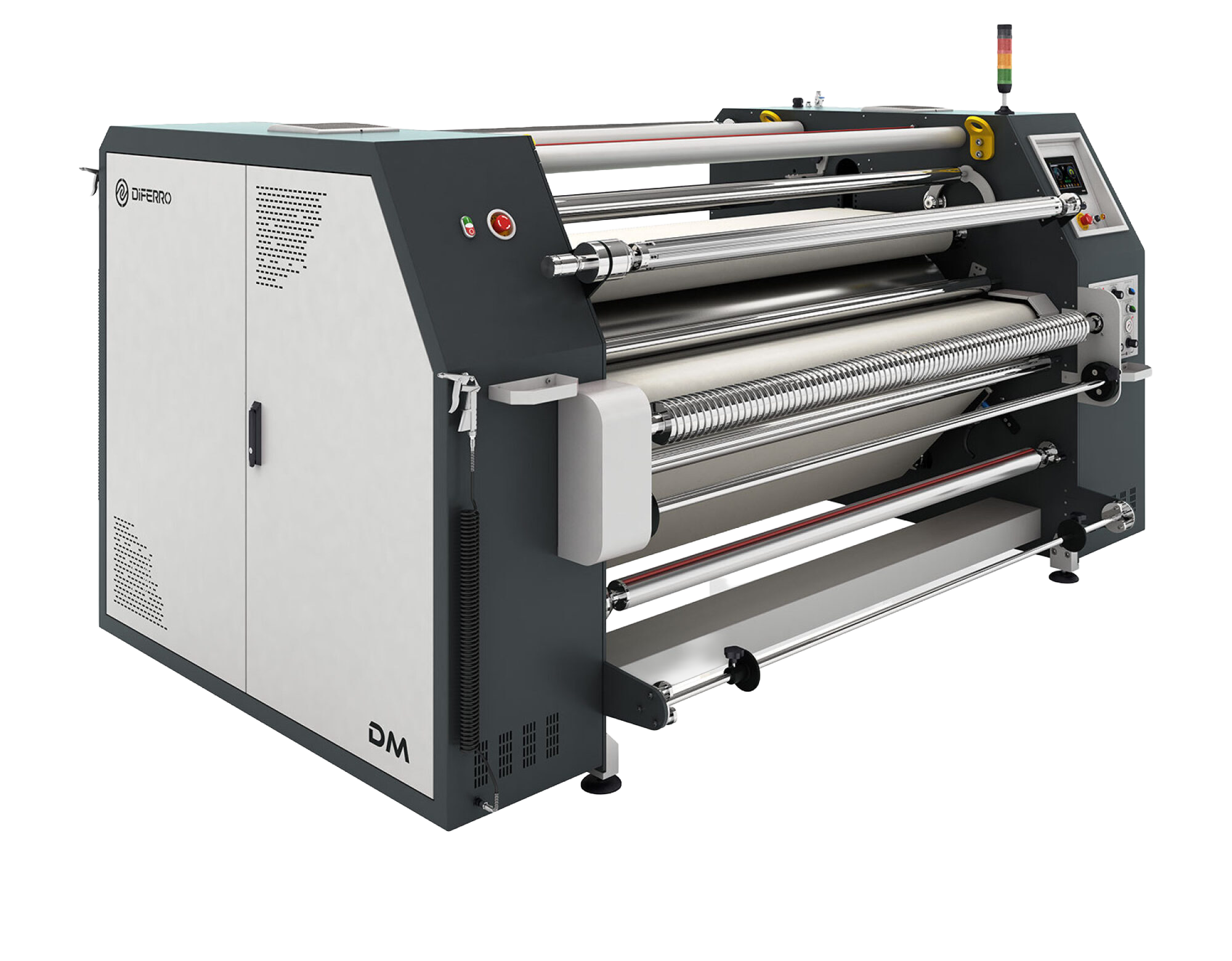
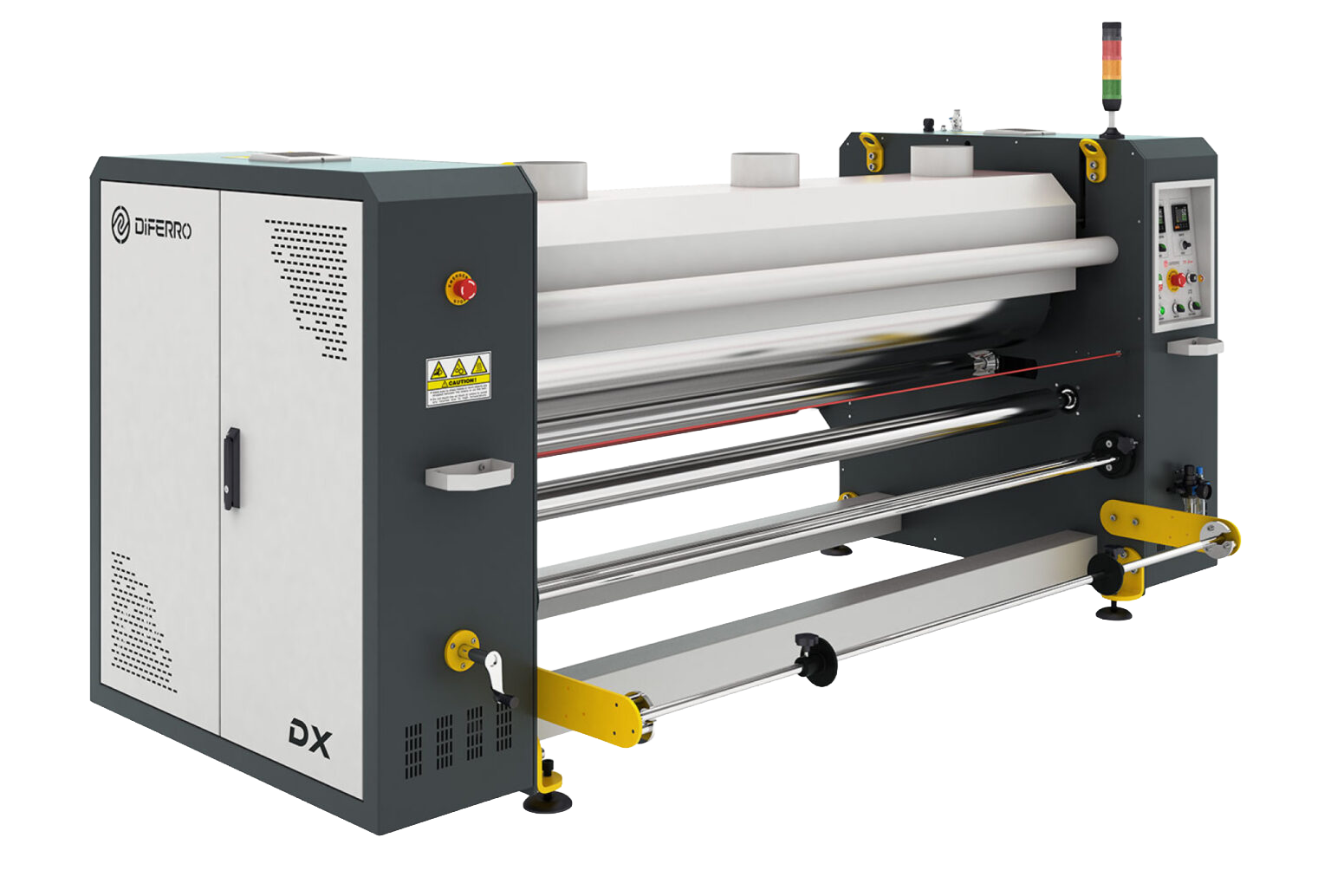
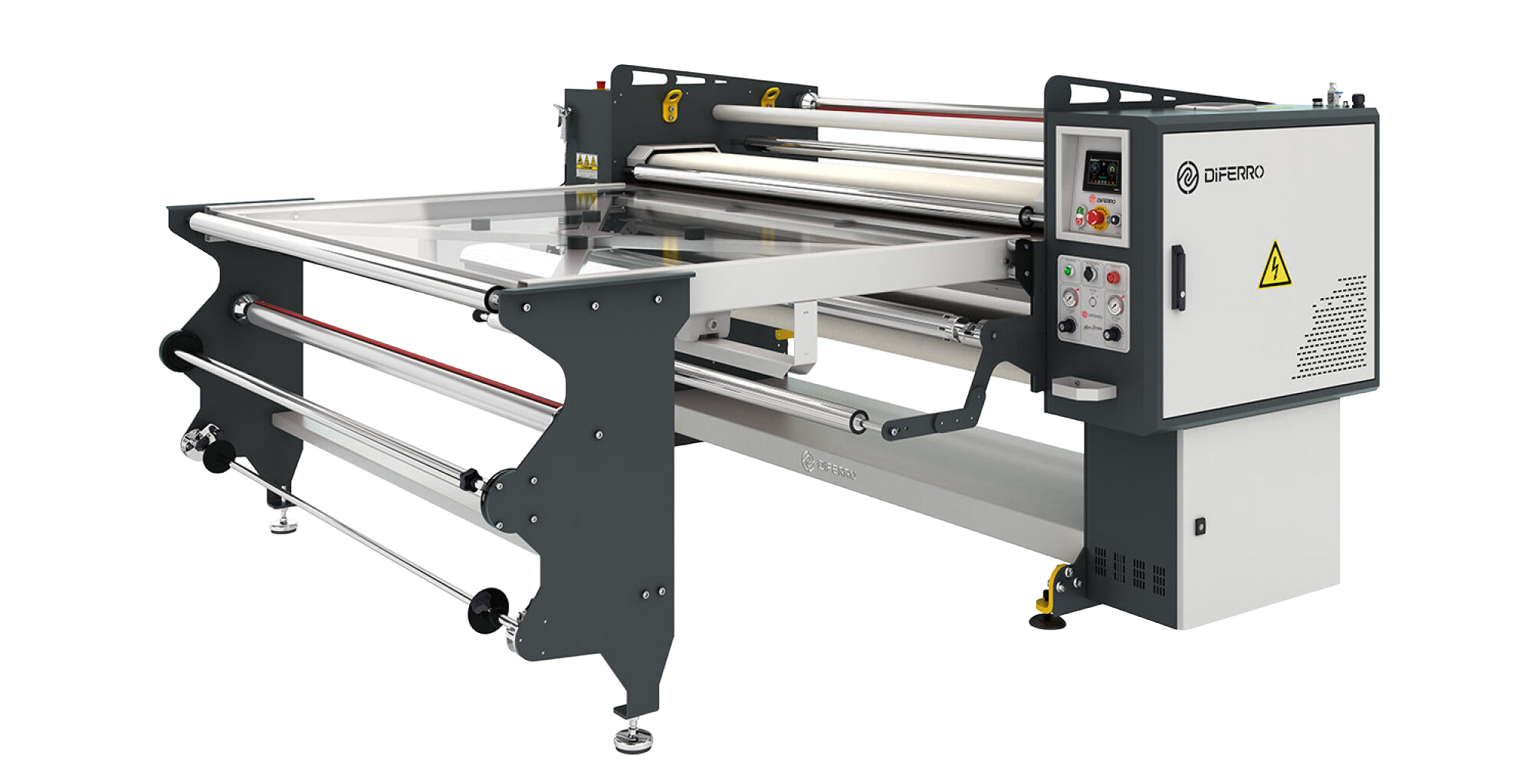
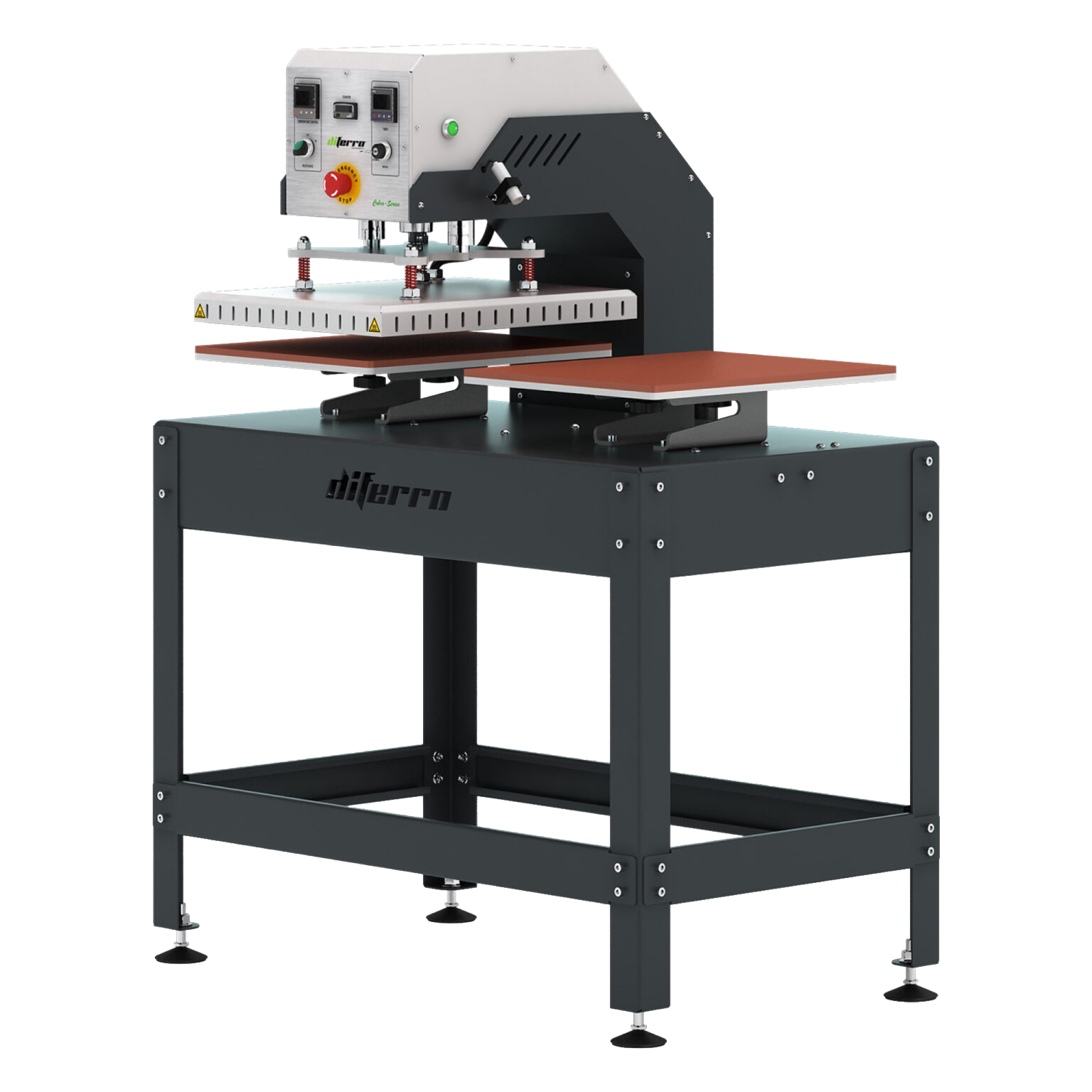
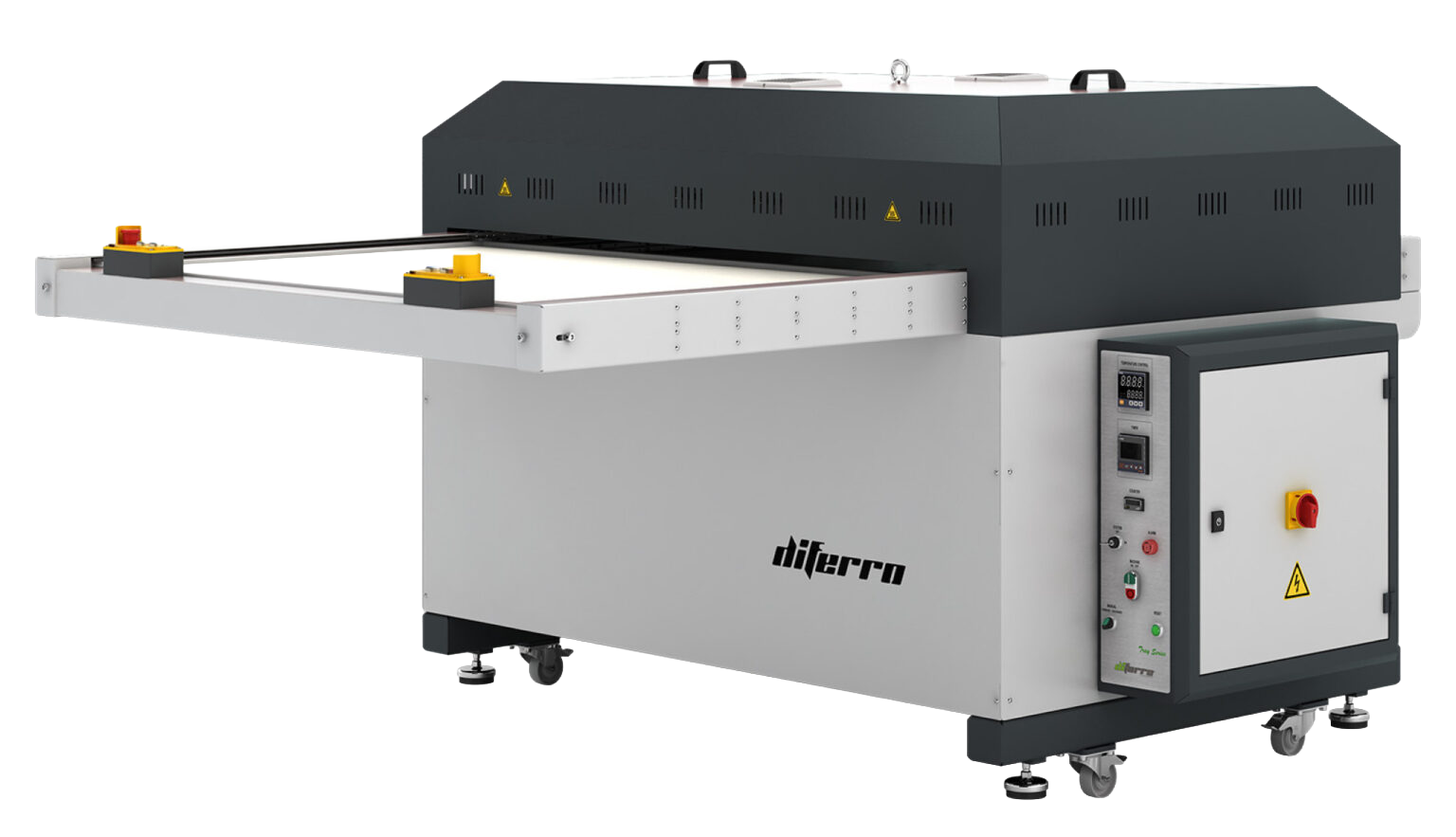
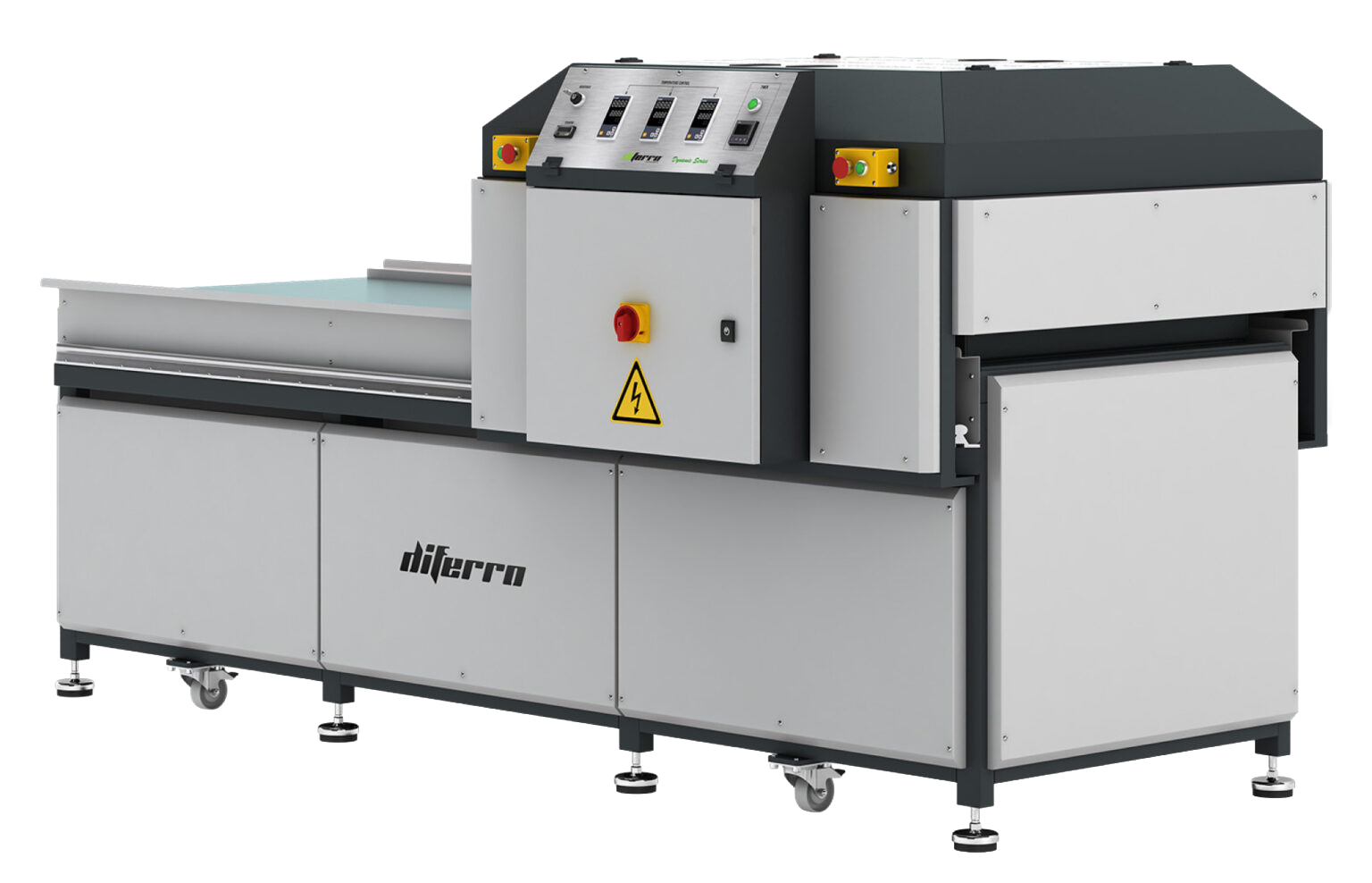
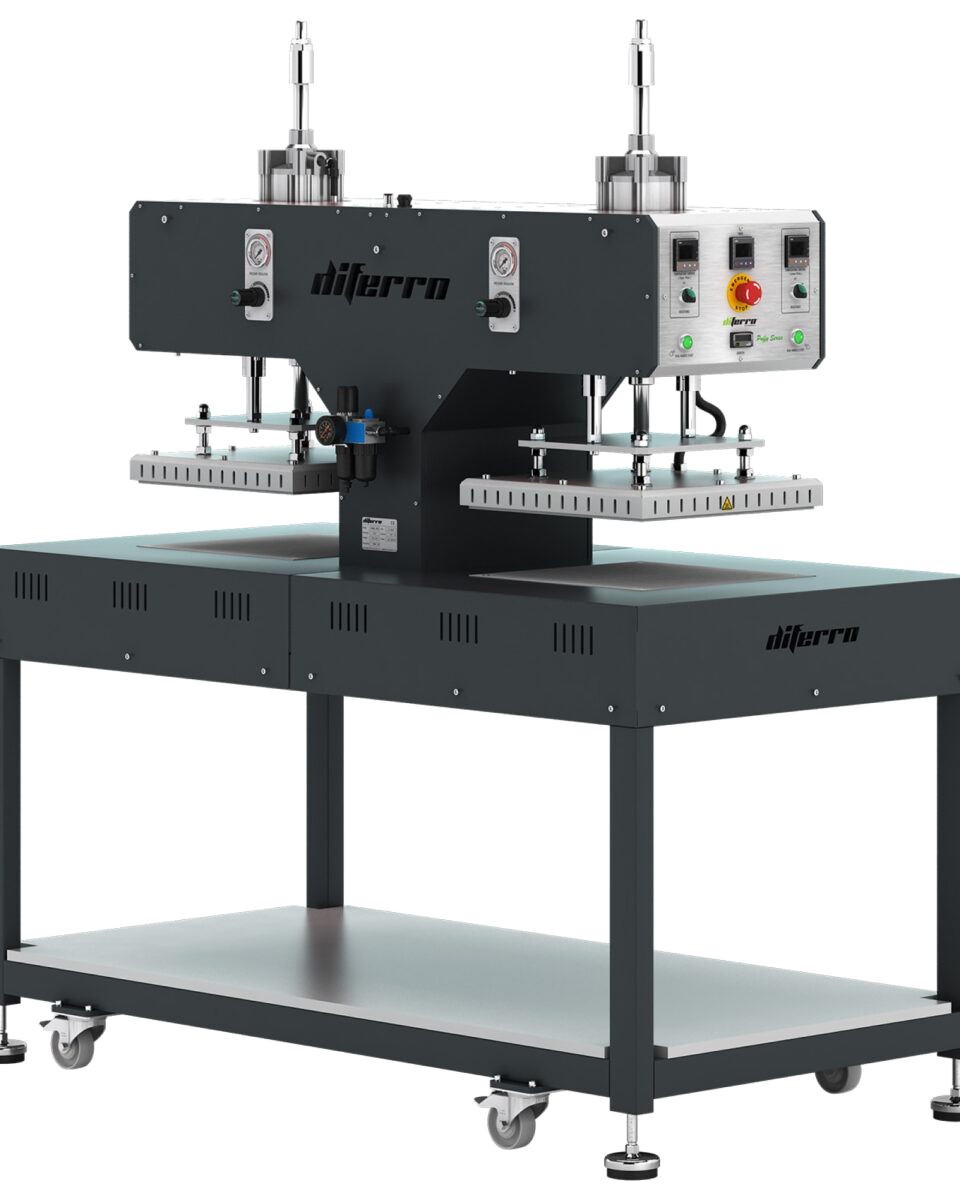
Calender or heat press
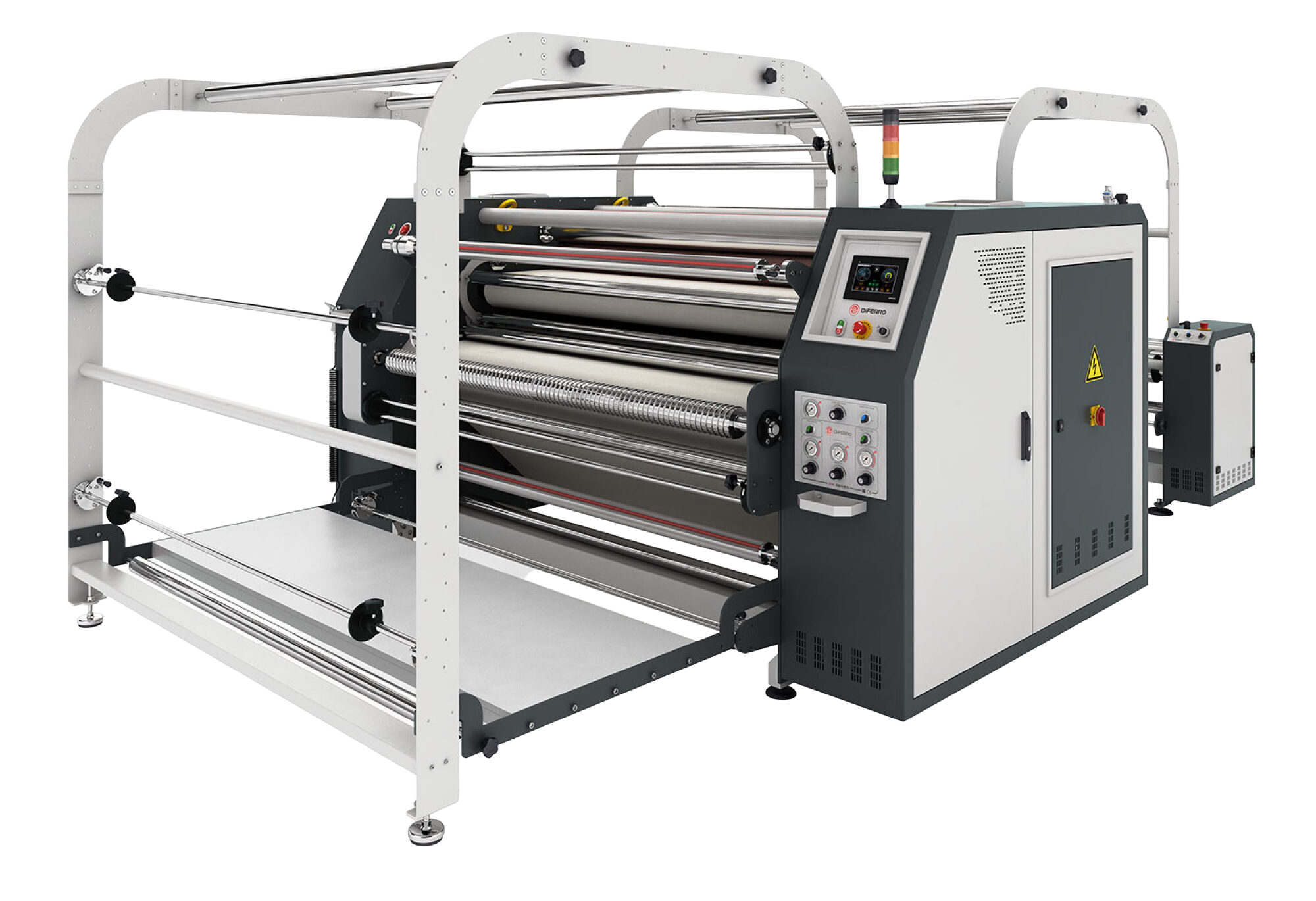
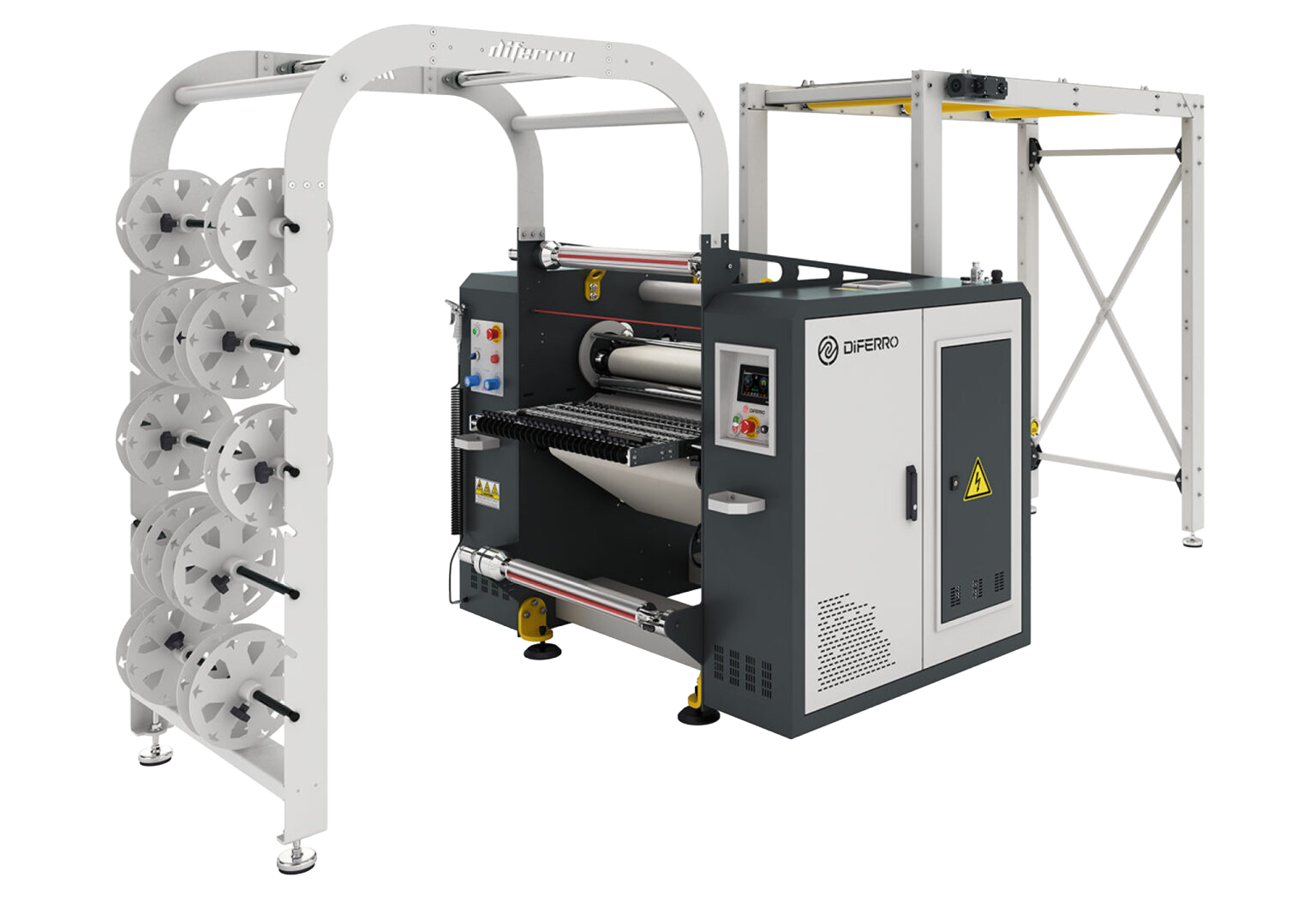
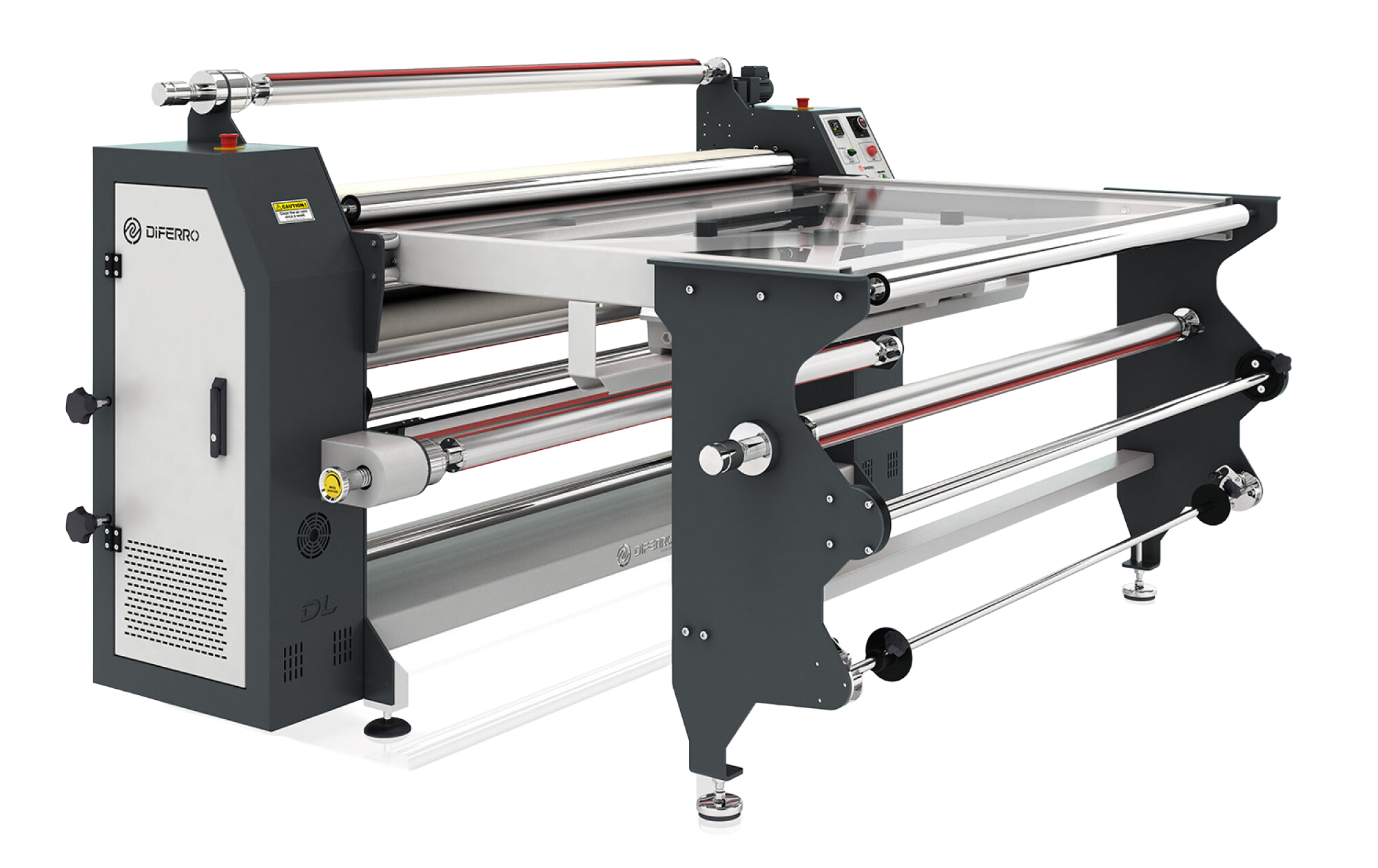
A calender or heat press is responsible for activating sublimation through temperature and pressure. This step permanently binds the dye to the polyester fibers and determines the resistance of the print.
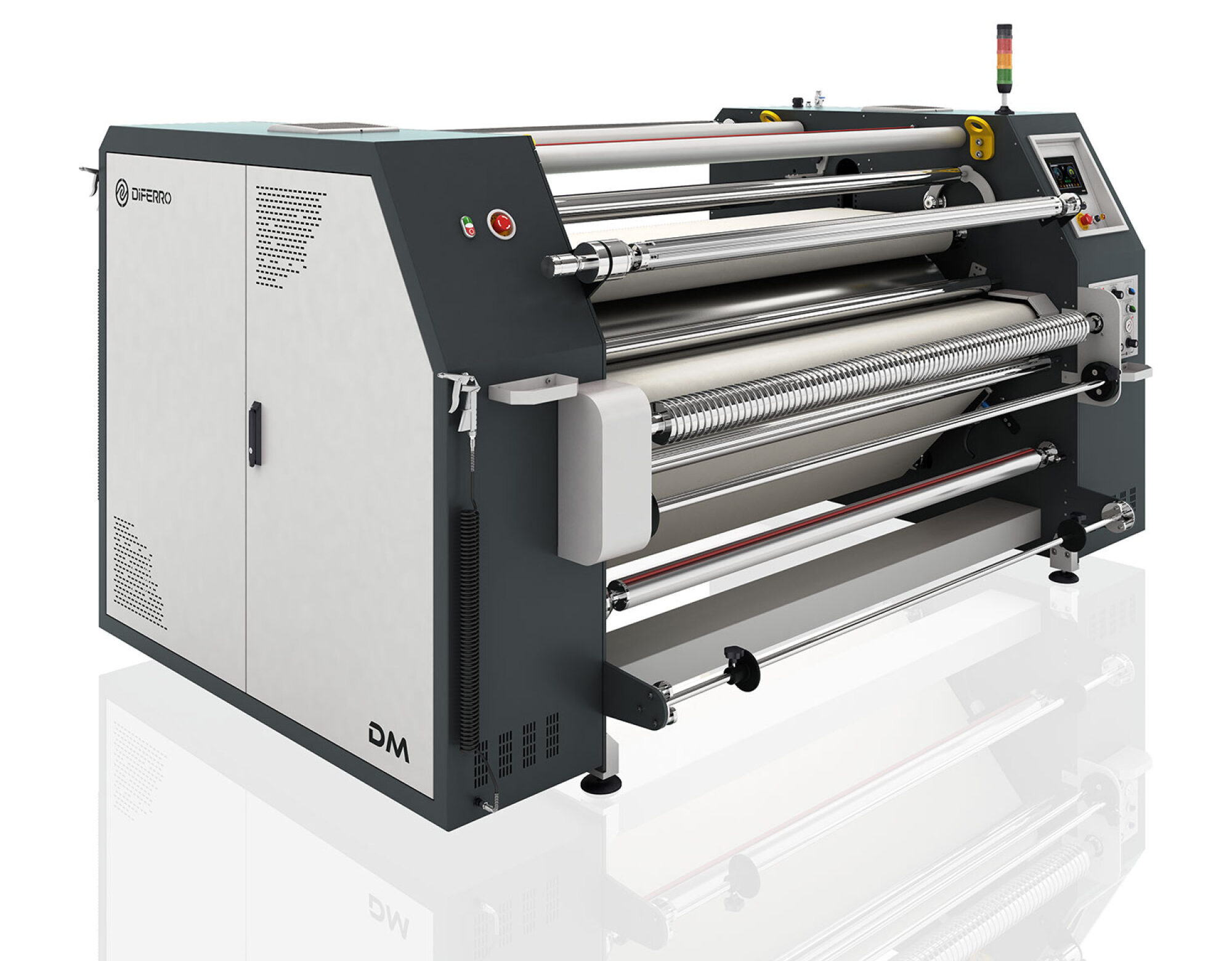
Calendars and heat presses
Devices for fixing the print by temperature and pressure, necessary for the permanent binding of the dye to the polyester.
Ready to go?
Start sublimation printing today.
Our specialists will help you design and implement a complete sublimation printing system tailored to your production.