
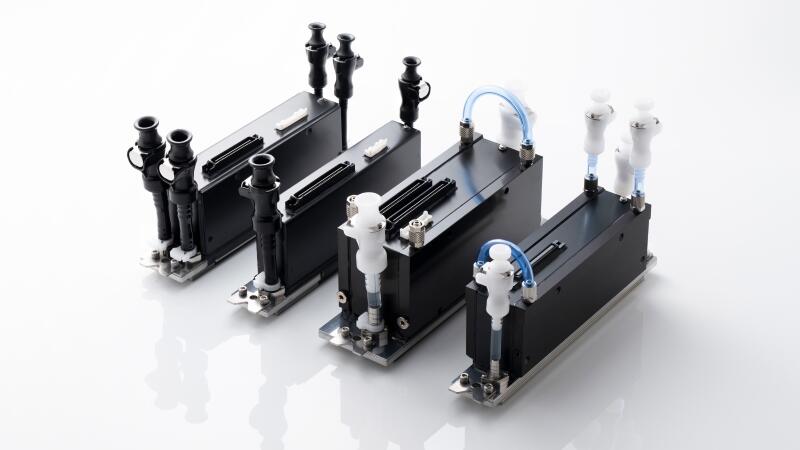
Why Printhead Cleaning and Maintenance Is Important
Printhead cleaning and maintenance are critical in digital textile printing because the printhead is the heart of the entire printing system. It controls how ink droplets land on fabric, how colors blend, and how sharp the final design looks. When printheads are clean and properly maintained, production runs smoothly. When they are neglected, the result is usually banding, missing lines, color inconsistency, wasted ink, rejected fabric, downtime, and expensive repairs.
In digital textile printing, small technical problems quickly become commercial problems. A partially blocked nozzle may look minor at first, but it can ruin an entire batch of garments, home textiles, flags, fashion fabrics, or promotional products. That is why printhead care should not be treated as a basic operator task. It should be managed as a production-quality and profitability strategy.
1. Clean Printheads Deliver Consistent Print Quality
The biggest reason printhead cleaning and maintenance matter is print quality. Digital textile printing depends on thousands of microscopic ink droplets being fired accurately onto fabric. If the printhead nozzles are blocked, misfiring, or contaminated with dried ink, the printer cannot place ink correctly.
This often creates visible defects such as white lines, banding, faded areas, blurred details, uneven gradients, and inaccurate colors. Epson’s maintenance guidance states that faint images or missing dots can often be addressed by cleaning the print head so the nozzles deliver ink properly.
For textile printing businesses, consistent quality is not optional. Customers expect every meter, garment, or panel to match the approved sample. Regular printhead maintenance helps keep output stable from the first print to the last print.
2. Maintenance Prevents Clogged Nozzles
Clogged nozzles are one of the most common problems in digital textile printing. Textile inks can dry, settle, or accumulate around the printhead surface, especially when machines are idle, humidity is unstable, or cleaning cycles are skipped.
A nozzle check is an early warning system. Epson’s guidance explains that broken lines or missing segments in a nozzle check pattern indicate that the printhead nozzles may be clogged.
If operators ignore these signs, a small blockage can become a serious production issue. Preventive cleaning reduces the risk of dried ink buildup and helps keep the ink channels open. In a high-volume textile environment, prevention is always cheaper than emergency repair.
3. Proper Printhead Care Reduces Downtime
Downtime is one of the most expensive hidden costs in digital textile printing. When a printer stops because of clogged nozzles or poor printhead performance, production schedules collapse. Operators lose time running cleaning cycles, reprinting defective jobs, recalibrating colors, and waiting for technical support.
Routine textile printer maintenance keeps machines production-ready. It supports predictable workflows, better delivery planning, and fewer urgent interventions.
This matters especially for businesses handling seasonal fashion collections, campaign-based promotional textiles, fast-turnaround sampling, or export orders. A delayed print job can affect finishing, cutting, sewing, packing, and delivery. One dirty printhead can disrupt the entire production chain.
4. Printhead Cleaning Protects Expensive Hardware
Printheads are among the most valuable components in a digital textile printer. Replacing them can be expensive, and in many cases, replacement also involves technician costs, machine downtime, calibration, and production loss.
Neglected maintenance can shorten printhead life. Dried ink, dust, fabric lint, chemical residue, and improper wiping can damage the nozzle plate or interfere with ink flow. Once a printhead is physically damaged, cleaning may no longer solve the problem.
Proper maintenance protects the investment. It keeps the printhead operating within the manufacturer’s recommended conditions and reduces unnecessary wear. For any textile printing company, this directly improves return on equipment investment.
5. Good Maintenance Reduces Ink Waste
Some businesses assume cleaning wastes ink. In reality, poor maintenance often wastes far more.
When nozzles clog, operators may need repeated cleaning cycles, test prints, reprints, and color corrections. Epson notes that head cleaning consumes ink and should not be performed more than necessary, which reinforces the importance of controlled, preventive maintenance rather than excessive reactive cleaning.
The goal is not to clean constantly. The goal is to clean correctly, at the right intervals, using the right procedures and approved cleaning solutions. A disciplined maintenance schedule helps reduce unnecessary ink consumption while protecting print quality.
6. Maintenance Improves Color Accuracy
Color accuracy is a major selling point in digital textile printing. Brands, designers, and buyers often require precise color matching for collections, logos, patterns, and repeat orders.
A poorly maintained printhead can create color shifts because one or more channels may not fire correctly. For example, if cyan or magenta nozzles are partially blocked, the final print may look warmer, duller, or less saturated than expected. Even a small deviation can cause customer rejection.
Consistent printhead cleaning and maintenance support stable ink delivery. That means better repeatability, fewer surprises, and stronger confidence during production approval.
7. Printhead Maintenance Strengthens Customer Trust
In textile printing, your reputation is built on consistency. Customers do not only buy fabric or garments. They buy reliability, delivery discipline, and confidence.
If your prints arrive with banding, color shifts, stains, or missing details, customers may question your production capability. If defects happen repeatedly, they may move to another supplier.
Clean printheads help protect brand reputation. They reduce rejected orders, improve customer satisfaction, and support stronger long-term business relationships. In a competitive textile market, operational discipline becomes a sales advantage.
Best Practices for Printhead Cleaning and Maintenance
A strong maintenance routine should include daily, weekly, and periodic checks. Operators should run nozzle checks, inspect print quality, keep the capping station clean, prevent ink drying, maintain proper humidity, use approved cleaning fluids, and follow the printer manufacturer’s instructions.
Automatic cleaning is useful, but it should not replace operator discipline. Manual cleaning may be necessary in some cases, but it must be done carefully to avoid damaging the nozzle surface.
Businesses should also train operators properly. Many printhead problems are caused by inconsistent routines, wrong cleaning materials, aggressive wiping, or ignoring early warning signs. A simple checklist can prevent many expensive failures.
Final Thoughts
Printhead cleaning and maintenance are not minor technical details in digital textile printing. They are essential for print quality, machine reliability, cost control, and customer satisfaction.
A clean printhead produces sharper details, smoother gradients, stronger colors, and fewer defects. A neglected printhead creates downtime, waste, rejected orders, and avoidable repair costs.
For digital textile printing companies, the smartest approach is preventive maintenance. Treat the printhead as a strategic production asset, not just a consumable machine part. When printhead care becomes part of your daily workflow, your business gains better quality, lower costs, and a stronger competitive position.
FAQ
How often should printheads be cleaned in digital textile printing?
Printheads should be checked daily in active production environments. Cleaning frequency depends on printer model, ink type, workload, humidity, and manufacturer recommendations.
What are the signs of a clogged printhead?
Common signs include banding, missing lines, faded colors, white streaks, blurry details, and failed nozzle check patterns.
Can too much printhead cleaning be harmful?
Yes. Excessive cleaning can waste ink and may create unnecessary wear. The best approach is controlled preventive maintenance based on print quality, nozzle checks, and manufacturer guidance.
Why is printhead maintenance important for textile printing businesses?
It protects print quality, reduces downtime, extends hardware life, lowers waste, improves color consistency, and helps prevent customer complaints.

Do you have any questions?
Our experts are ready to answer your questions.